
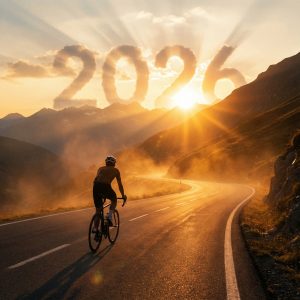
 Your Cycling Plan for 2026: Step by Step
As we approach 2026, it’s the perfect time to map out your cycling journey for the year ahead. Whether you’re a seasoned rider or just starting out, having a structured plan tailored to your riding style and bike type can transform your cycling experience. This comprehensive guide will walk you through creating a personalized cycling plan that matches your goals, terrain preferences, and the specific demands of different cycling disciplines.
Understanding Your Riding Style
Before diving into specific training plans, it’s crucial to identify what kind of rider you are or want to become. Your riding style will dictate not only which bike you choose but also how you structure your training, what skills you prioritize, and which events or goals make sense for your calendar year.
Road Cycling
Bike Type: Road bike with drop handlebars, lightweight frame, narrow tires (23-28mm)
Terrain: Paved roads, smooth asphalt, occasional chip seal
Focus Areas: Endurance building, cadence work, group riding dynamics, climbing technique, aerobic capacity development
2026 Goals: Century rides (100 miles/160km), gran fondos, criterium racing, time trials, or simply enjoying long weekend rides with climbing
Mountain Biking (MTB)
Bike Type: Hardtail or full-suspension mountain bike with wide knobby tires (2.1-2.5 inches), flat or riser bars
Terrain: Singletrack trails, technical descents, rocky climbs, roots, drops, jumps
Focus Areas: Technical skills (cornering, bunny hops, drops), balance work, explosive power for short climbs, bike handling confidence, trail reading
2026 Goals: Cross-country races, enduro events, mastering black diamond trails, building jump skills at bike parks, multi-day backcountry rides
Gravel Riding
Bike Type: Gravel bike with drop bars, wider tire clearance (35-50mm), stable geometry
Terrain: Gravel roads, fire roads, light singletrack, mixed surface adventure routes
Focus Areas: All-day endurance, bike handling on loose surfaces, self-sufficiency skills, navigation, power sustainability on varied terrain
2026 Goals: Gravel races (Unbound, Belgian Waffle Ride, local events), bikepacking trips, exploration rides, completing 100+ mile gravel centuries
Cyclocross (CX)
Bike Type: Cyclocross bike with drop bars, knobby tires (32-35mm), higher bottom bracket, cantilever or disc brakes
Terrain: Mixed surfaces including grass, mud, sand, barriers, steep run-ups
Focus Areas: High-intensity intervals, dismount/remount technique, shouldering the bike, running with bike, explosive accelerations, handling in slippery conditions
2026 Goals: CX racing season (typically September-January), skills clinics, improving technical proficiency, building anaerobic capacity
Bikepacking & Touring
Bike Type: Touring bike, gravel bike, or mountain bike equipped with racks or frame bags
Terrain: Long-distance routes on varied surfaces, often remote areas
Focus Areas: Ultra-endurance, bike maintenance skills, navigation, camping logistics, load management, mental resilience
2026 Goals: Multi-day tours, TransAmerica Trail sections, Great Divide Mountain Bike Route, regional loop tours, international cycling adventures
Building Your 2026 Calendar
A successful cycling year requires periodization—dividing your training into distinct phases that build upon each other. Here’s how to structure your year regardless of discipline:
January-February: Base Building Phase
This is your foundation period. Focus on building aerobic endurance through long, steady rides at conversational pace. For road and gravel cyclists, aim for 3-5 rides per week with gradually increasing duration. Mountain bikers should include technical skills practice alongside endurance work. Cross-training with strength work in the gym pays huge dividends during this phase.
March-April: Build Phase
Increase training intensity with tempo rides, sweet spot intervals, and hill repeats. Road cyclists should join group rides to practice pack dynamics. Mountain bikers can start hitting more challenging trails to test technical skills under fatigue. Gravel riders should incorporate longer adventure rides with varied surfaces. This is when specificity matters—train like you’ll race or ride.
May-August: Peak Season & Event Phase
This is your primary riding season. Space out your key events with 2-4 week intervals. Between events, maintain fitness with moderate volume but adequate recovery. For racers, this means including race-intensity efforts. For recreational riders, this is when you tackle those bucket list rides, multi-day tours, or personal challenges like climbing a famous mountain pass.
September-October: Second Peak or Transition
Cyclocross season begins. Road cyclists can target late-season gran fondos or centuries. Mountain bikers often find perfect trail conditions. Gravel riders have excellent weather for big adventures. This can be a second peak or a gradual transition toward off-season recovery.
November-December: Recovery & Planning
Active recovery with low-intensity rides, trying different cycling disciplines, maintenance of the bikes, and planning for 2027. This mental and physical break is crucial for long-term development and preventing burnout.
Cross-Training for Different Disciplines
Each cycling style benefits from specific supplementary training:
- Road Cycling: Yoga for flexibility, core strength work, running for aerobic development
- Mountain Biking: Strength training for power, balance work, motocross or BMX skills, hiking steep terrain
- Gravel: Trail running, hiking with loaded pack, core stability work, endurance-focused strength training
- Cyclocross: Running intervals, plyometrics, barrier practice, gym strength work focusing on explosive power
- Bikepacking: Loaded hiking, endurance running, functional strength training, mental resilience practices
Equipment Considerations for 2026
Your bike is only part of the equation. Consider these equipment planning points:
Maintenance Schedule: Plan quarterly professional tune-ups. Learn basic maintenance skills including chain cleaning, brake adjustment, and wheel truing. Budget for new tires, chains, and cassettes based on your mileage projections.
Technology Integration: Cycling computers with GPS and power meters have become more affordable. Consider investing in training tools that provide objective data—especially valuable for structured training plans. Heart rate monitors remain the most cost-effective training tool.
Clothing & Accessories: Invest in quality cycling shorts, jerseys for different weather conditions, proper shoes, and if you’re riding in variable climates, layering systems for winter riding. Don’t overlook lights and reflective gear for safety.
Nutrition & Recovery Planning
As your training load increases through 2026, nutrition and recovery become performance differentiators. Develop habits around proper fueling during rides (aim for 60-90 grams of carbohydrates per hour for efforts over 90 minutes), hydration strategies, and post-ride recovery nutrition within 30 minutes of finishing.
Sleep remains the most powerful recovery tool. Aim for 7-9 hours nightly, with increased sleep during heavy training blocks. Consider periodizing your training around work and life commitments to ensure adequate recovery time.
Setting Measurable Goals
Transform vague aspirations into concrete objectives. Instead of “get faster,” aim for “complete a metric century at 18 mph average” or “clean the entire technical section of my local trail without dabbing.” Track progress through:
- Functional Threshold Power (FTP) tests every 6-8 weeks
- Specific time trial segments on known routes
- Technical skill progressions (successfully riding harder trail features)
- Endurance benchmarks (longest ride distance, elevation gain)
- Event completion times and placements
The Mental Game
Cycling is as much mental as physical. Cultivate mental resilience through visualization before challenging rides, positive self-talk during difficult moments, and reflection after rides about what went well. Join cycling communities—clubs, online forums, group rides—for motivation, accountability, and the joy of shared experiences.
For 2026, consider keeping a training journal documenting not just miles and times, but how you felt, what you learned, and moments of joy on the bike. This becomes invaluable for understanding patterns and maintaining motivation.
Your Journey Starts Now
The beauty of cycling lies in its versatility. You might start 2026 focused on road cycling and discover a passion for gravel by summer. You might own one bike that serves multiple purposes or develop a stable of specialized machines. The key is having a flexible plan that guides without restricting, that challenges without overwhelming.
As you embark on your 2026 cycling journey, remember that the best plan is the one you’ll actually follow. Start with realistic commitments, build consistency, then gradually increase ambition. Every pedal stroke moves you forward, whether you’re climbing mountain passes, navigating technical singletrack, exploring gravel backroads, or racing through muddy cyclocross courses.
The bike is simply the vehicle. The destination is becoming the rider you aspire to be—stronger, more skilled, more confident, and deeply connected to the joy of cycling. Here’s to making 2026 your best year on two wheels.