
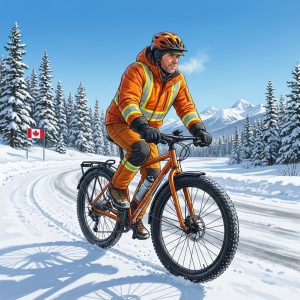
 How to Safely Ride Your Bike on Ice and Snow: Essential Winter Cycling Safety Guide
Winter cycling doesn’t have to mean putting your bike away until spring. With proper preparation, the right equipment, and smart riding techniques, cycling on ice and snow can be both safe and enjoyable. This comprehensive guide will help you master winter cycling safety and keep riding through the coldest months.
Understanding Winter Cycling Challenges
Cycling on ice presents unique challenges that require different approaches compared to regular riding. The primary concerns include reduced traction, decreased visibility, longer stopping distances, and the physical demands of cold weather. However, understanding these challenges is the first step toward overcoming them safely.
Winter cycling safety begins with recognizing that icy conditions fundamentally change how your bike handles. When temperatures drop near or below freezing, even roads that appear clear may have invisible patches of black ice. These hazards tend to form in shaded areas, on bridges, and in spots where water accumulates. Being aware of where ice is likely to form helps you anticipate and avoid dangerous situations.
Essential Equipment for Cycling on Ice
Tire Selection and Pressure
Your tires are the most critical component for winter cycling safety. Wider, knobby tires provide better traction, and running them at slightly lower pressure increases the contact patch with the road surface. For regular winter riding, consider general winter tires that offer improved grip without the weight and noise of studded options.
Studded tires are the gold standard for cycling on ice. Studded tires are the only ones that will grip properly on ice, featuring metal spikes embedded in the tread that bite into frozen surfaces. While they’re heavier and can feel sluggish on clear pavement, they provide unmatched confidence when navigating icy roads. If you frequently encounter icy conditions, studded tires are worth the investment.
Reduce your tire pressure by a few PSI below your normal riding pressure. This increases the tire’s footprint on the road, improving traction on slippery surfaces without risking pinch flats.
Bike Setup Modifications
Beyond tires, several bike modifications can enhance winter cycling safety. Installing fenders protects you from cold, wet spray that kicks up from snowy roads. Lower your saddle slightly to reduce your center of gravity, which improves stability and makes it easier to put a foot down quickly if you start to slide.
Consider switching to flat pedals during winter months. While clipless pedals offer efficiency in dry conditions, they become problematic on ice. Flat pedals allow you to quickly plant a foot if you lose traction, and they don’t accumulate ice in the cleat mechanism. If you must use clipless pedals, mountain bike-style pedals with lower release tension are preferable.
Visibility and Lighting
Winter means shorter days and often reduced visibility due to snow or fog. High-quality lights aren’t optional—they’re essential for winter cycling safety. Use a bright white front light and a flashing red rear light. Add reflective elements to your clothing, helmet, and bike. Remember that drivers also have reduced visibility and longer stopping distances in winter conditions.
Clothing and Cold Weather Protection
Proper winter cycling clothing makes the difference between an enjoyable ride and a miserable experience. The key is layering—wearing multiple thin layers rather than one thick layer. This approach allows you to regulate your body temperature more effectively as you warm up during the ride.
Your extremities require special attention. Invest in quality winter cycling gloves, as frozen fingers make it difficult to brake and shift gears safely. For your feet, two pairs of thin socks often work better than one thick pair. Winter cycling shoes or insulated overshoes keep the wind and moisture out, while grippy soles help when you need to walk on icy surfaces.
Avoid overdressing. Excess sweating can leave you wet and shivering when you stop. If you feel yourself sweating during the ride, your clothing is too warm. You should feel slightly cool when you start riding.
Protect your head and face from windchill with a thin balaclava or skull cap that fits under your helmet. Clear cycling glasses protect your eyes from wind, snow, and road spray while maintaining visibility. In extreme cold, consider a neck gaiter or face mask, but ensure it doesn’t restrict breathing or fog your glasses.
Riding Techniques for Winter Cycling Safety
Mastering Ice Riding Fundamentals
The golden rule for cycling on ice is smoothness. Cycle as smoothly and predictably as possible, with no sudden jerks, sharp turns or hasty decelerations. Every movement should be gradual and controlled. Sudden steering inputs, hard braking, or quick acceleration can break traction and cause a fall.
When you encounter ice, try to maintain a straight line. If you find yourself on ice, keep going in a straight line if possible. Turning on ice requires careful weight distribution and minimal lean angle. Slow down before the turn, not during it, and avoid any sudden movements while your bike is leaned over.
Braking on Slippery Surfaces
Braking technique becomes critical during winter cycling. The rear brake should be your primary tool for speed control on ice. Gently apply the rear brake to slow down—if the rear wheel slides, you can often control it by putting a foot down. The front brake is far more dangerous on ice because a locked front wheel means instant loss of steering control and usually results in a fall.
Test your traction regularly with light rear brake applications. This helps you understand current road conditions and adjust your speed accordingly. Remember that stopping distances increase dramatically on ice, so maintain larger gaps between yourself and other road users.
Route Selection and Planning
Smart route planning is a cornerstone of winter cycling safety. Main roads are more likely to be gritted and cleared of snow, while backstreets and bike paths often remain treacherous. During icy conditions, it may be safer to use busier roads even if they’re less pleasant during summer.
Pay attention to sun exposure throughout your route. South-facing roads receive more sunlight and thaw faster, while shaded areas can remain icy all day. Bridges and overpasses are particularly hazardous as they freeze before other surfaces and stay frozen longer. Plan routes that avoid steep hills when possible—climbing and descending icy slopes significantly increases risk.
Take note of which roads receive the most sun and are gritted most frequently during clear days. Keep a mental map or written record of these safer winter routes for when conditions deteriorate.
Managing Speed and Momentum
Speed management is essential for cycling on ice. Allow extra time for your journey so you can ride slowly without feeling rushed. Lower speeds give you more reaction time and reduce the consequences if you do slip. Resist the temptation to keep up with your summer pace—winter cycling requires patience.
Maintain momentum when possible rather than repeatedly stopping and starting. Accelerating from a standstill on ice can cause wheel spin, and every stop increases the risk of putting a foot down on a slippery surface. Plan your riding to minimize unnecessary stops while still riding safely.
Dealing with Different Snow and Ice Conditions
Fresh Snow
Freshly fallen snow offers better traction than ice but presents its own challenges. Wider tires work better in snow, and the main danger is not being able to see what lies beneath. Potholes, curbs, and debris hide under snow cover. Ride cautiously in unfamiliar snowy areas and avoid assuming the road surface is smooth underneath.
Compacted Snow and Ice
Compacted snow quickly becomes ice, creating very slippery conditions. This often occurs on frequently traveled paths where many cyclists and pedestrians have packed the snow down. Studded tires excel in these conditions, while regular tires struggle. Consider whether your route is worth the risk or if alternative transportation is wiser.
Black Ice
Black ice is the most dangerous winter hazard because it’s nearly invisible. It forms when temperatures hover around freezing and moisture on the road freezes into a thin, transparent layer. Be especially vigilant early in the morning, in shaded areas, and whenever your breath is visible. If the road looks wet but the temperature is at or below freezing, assume it’s black ice and ride accordingly.
Safety Protocols and Emergency Preparedness
Winter cycling safety extends beyond riding technique to include proper preparation for emergencies. Always inform someone of your route and expected return time, especially when riding in remote areas. Weather conditions can change rapidly in winter, and what starts as a pleasant ride can become dangerous if temperatures drop or snow begins falling.
Carry emergency supplies appropriate for winter conditions. A charged phone is essential, but batteries drain faster in cold weather, so keep it insulated close to your body. Carry an emergency blanket or bivvy bag—they’re lightweight and could be lifesaving if you’re stranded. High-energy snacks help maintain body heat and energy levels during longer rides.
Know when to say no. If conditions look genuinely dangerous, there’s no shame in choosing alternative transportation or postponing your ride. The goal is to arrive safely, not to prove your toughness. Check weather forecasts before heading out, and be prepared to cut rides short if conditions deteriorate.
Bike Maintenance for Winter Conditions
Winter cycling places additional demands on your bike. Road salt and grime accelerate corrosion and wear on components. After winter rides, wipe down your bike with a damp cloth and dry it thoroughly. Pay special attention to the chain, derailleur, and brake components.
Keep your chain well-lubricated with winter-specific lubricant that won’t stiffen in cold temperatures. Check your brakes regularly—winter conditions can reduce braking performance, and you need maximum stopping power on slippery surfaces. Ensure cables move smoothly, as they can become sluggish in extreme cold.
For e-bike riders, battery performance decreases in cold weather. The battery isn’t actually empty—the voltage has dropped due to temperature. Keep the battery indoors when not riding and install it just before you leave. Consider carrying the battery inside your jacket if temperatures are extremely low.
Building Winter Cycling Confidence
Becoming confident with cycling on ice takes practice. Start with short rides in familiar areas when conditions are mild. Gradually increase distance and difficulty as you develop skills and learn how your bike handles in winter conditions. Practice emergency maneuvers like controlled rear wheel skids in safe, empty parking lots.
Join local winter cycling groups or communities. Experienced winter cyclists can share route recommendations, provide moral support, and help you develop skills more quickly. There’s safety in numbers, and riding with others makes winter cycling more enjoyable.
Accept that winter cycling involves a learning curve. You may ride slower than in summer, and you might need to walk your bike occasionally. These compromises are normal and sensible. Prioritize safety over speed, and celebrate the unique beauty of winter landscapes that many cyclists never experience.
Conclusion: Embracing Year-Round Cycling
Winter cycling safety requires preparation, proper equipment, and smart decision-making, but it opens up year-round cycling possibilities. By following these guidelines for cycling on ice and snow, you can maintain your fitness, continue your commute, and experience the unique rewards of winter riding.
Remember that every winter cyclist was once a beginner uncertain about riding in challenging conditions. Start conservatively, build your skills gradually, and always prioritize safety. With experience, what once seemed daunting becomes manageable, and winter cycling transforms from a challenge into an adventure you look forward to each year.
The key to successful winter cycling safety lies in respecting the conditions, preparing properly, and knowing your limits. Stay visible, ride smoothly, maintain your equipment, and don’t hesitate to choose alternative transportation when conditions exceed your comfort level. With these principles in mind, you can safely enjoy cycling through all four seasons.